
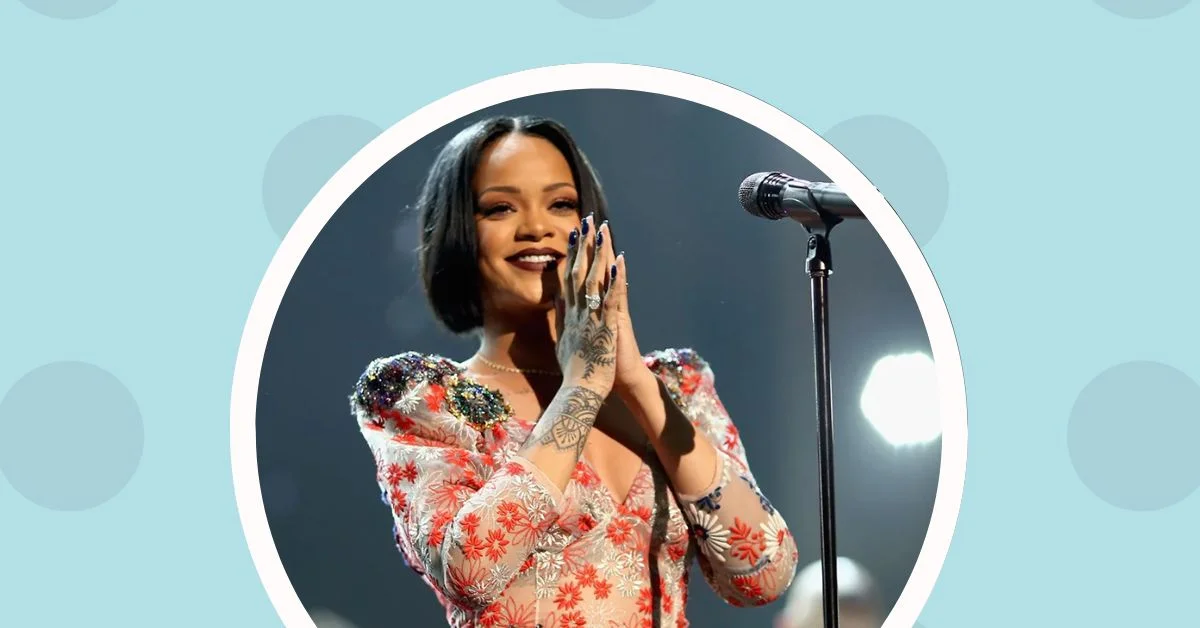
Somebody always ruins the surprise early.
Not on purpose. It is just how it goes now. A cousin texts a friend. A friend drops it in the group chat. Someone posts a blurry Story captioned “WHAT IS HAPPENING.” By the time the big star actually walks out, half the room has already figured it out, while the other half is still pretending they did not.
That is the private celebrity performance world. It is not subtle. It is built to create one specific reaction: the gasp, the scramble, the “wait, is that actually them,” and the next-day recap that starts with, “Okay, I swear I’m not lying.”
And yes, the money can be absurd.
The fees that made everyone stop and stare:
The internet became obsessed with private celebrity fees after the ultra-luxury Ambani wedding celebrations in India turned into what felt like the Olympics of billionaire flexing.
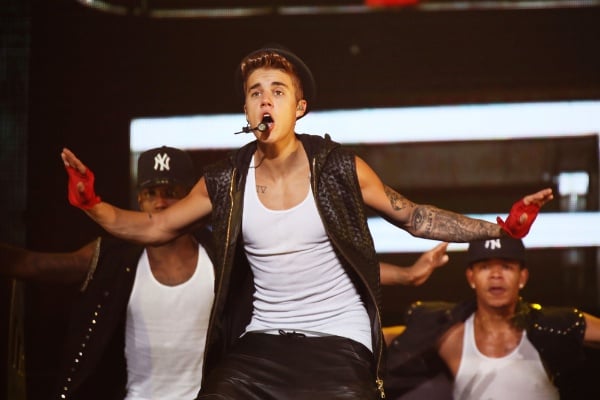
Reports around those events claimed Justin Bieber was paid around $10 million to perform, while Rihanna’s fee was reportedly in the high single-digit millions depending on the source and what costs were included.
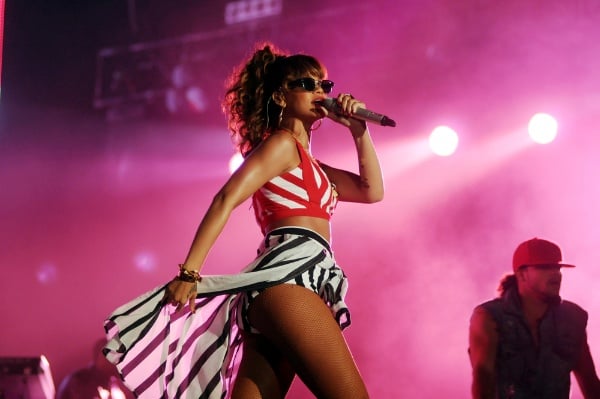
Those numbers sound fake until you realize private celebrity performances are not really priced like concerts. They are priced like access.
And once you get into that level of wealth, access becomes the entire game.
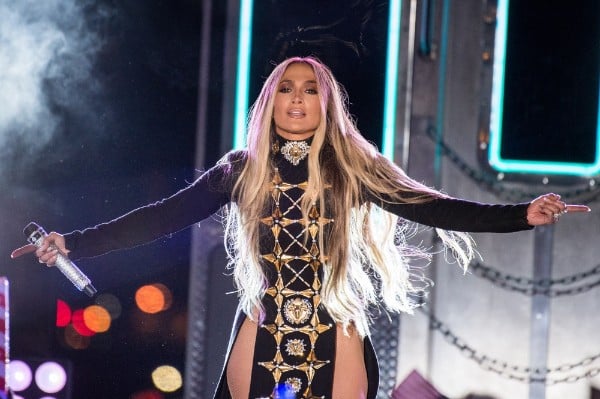
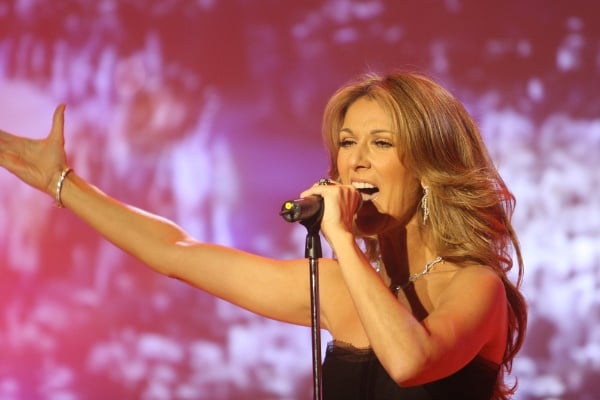
That is why the rumored numbers around other artists get so much attention too. Jennifer Lopez has reportedly commanded massive fees for private weddings and corporate events over the years. Celine Dion has long been considered one of the most exclusive private-event guests in entertainment. Billie Eilish represents a newer generation of the same phenomenon: an artist whose cultural relevance is so current that exclusivity itself becomes part of the value.
At that level, the artist is not just entertainment. The artist is the headline.
What people think they’re paying for:
Most people imagine a celebrity private show in the simplest possible way.
Celebrity shows up. Celebrity sings. Celebrity leaves with a giant check.
Sometimes it is that simple. Often it is not.
I spend a big part of my life booking celebrity talent, and the gap between what people imagine and what actually goes into these events is enormous.
A private performance can involve production crews, routing issues, rehearsal coordination, security planning, custom staging, travel logistics, band members, hospitality requirements, and schedules that have to fit around touring, filming, family obligations, and endorsement deals.
Even a relatively short set can function like a compressed tour date.
That is why the “cost per minute” jokes miss the point. You are not paying for 45 minutes of music. You are paying for certainty. You are paying for disruption, coordination, and the ability to place a polished, high-profile performance into a private environment without the whole thing turning into chaos.
Sometimes the stage, lights, and sound cost more than the artist.
Why private celebrity performances exploded:
Private performances are not new, but they used to feel like rumors. Now they feel like a category of the entertainment business.
Part of it is economics. Recorded music does not pay artists the way it once did, and touring has become more expensive and unpredictable. The New Yorker tied the growth of private celebrity gigs directly to streaming-era economics and the increasing concentration of wealth among clients willing to pay extreme premiums for exclusive experiences.
But the bigger reason is cultural.
Luxury is no longer just about buying things. It is about creating moments that other people cannot duplicate.
A celebrity performance is basically the final boss version of that.
Even if someone books the same artist, it is not the same room, the same energy, the same crowd, or the same story. The exclusivity is not just the performer. The exclusivity is that it happened in your world.
That is why private celebrity performances spread beyond billionaire weddings into corporate events, brand launches, and milestone celebrations. Companies want moments that feel like culture, not just entertainment. A celebrity performance does that instantly.
The middle of the market is where it gets interesting:
The mega-fee stories get the clicks, but they are not the whole industry.
The private-event world is also powered by recognizable artists who are famous enough to light up a room without requiring an oligarch-level budget.
This is where corporate events live. This is where brand parties live. This is where clients who want “you will never believe who performed” energy operate without trying to trend globally.
And honestly, this is where booking strategy matters most.
Sometimes the perfect act is not the biggest artist in the world. Sometimes it is the artist that hits the room emotionally. A legacy R&B artist like Brian McKnight. A nostalgic singalong act like All-4-One. A throwback personality like Mark McGrath. A huge YouTube creator with an intensely loyal fanbase.
A solo acoustic performance of Hey There Delilah in your living room will probably become a bigger lifelong memory than seeing a stadium concert from 300 feet away.
Business Insider reported that Flo Rida’s private-event fees ranged from roughly $150,000 to $300,000 domestically, with international events climbing much higher.
The part nobody says out loud:
Most “private” celebrity performances are not actually private.
Sure, some ultra-high-end events lock down phones and enforce confidentiality aggressively. But for most events, privacy is basically an honor system, and honor systems do not stand a chance against social media.
Someone always records a clip. Someone always texts the group chat. Someone always posts a blurry Story that creates ten thousand follow-up questions.
That is part of the appeal.
The performance itself matters, obviously. But the story matters just as much.
Why the agency matters more than people think:
This is why people who do this professionally will tell you something that sounds counterintuitive at first: the agency you use can change the outcome.
I see it all the time at Altus Entertainment, where we regularly book superstar, multi-million-dollar artists for major events. The teams around these artists want to know they are dealing with professionals who understand production realities, scheduling, logistics, confidentiality, and how to protect the artist’s experience.
That credibility matters even when the act itself is smaller.
A trusted agency can often negotiate more efficiently, avoid unnecessary complications, and help clients understand the difference between what sounds easy and what is actually realistic. In many cases, the “better deal” is not just price. It is smoother logistics, faster communication, and fewer surprises.
What people are really buying:
Public concerts are mass culture. Private celebrity performances are luxury culture.
The point is not just the music. The point is proximity, exclusivity, and narrative. The point is owning a moment that feels impossible to recreate.
And the great irony is that while the celebrity is the famous one, the story gives you the main character energy for years afterward.
Because long after the party ends, people will still say the same thing:
“You will never believe who walked out.”
READ NEXT:
7 Celebrities Who Are Reportedly Genuinely Kind
